

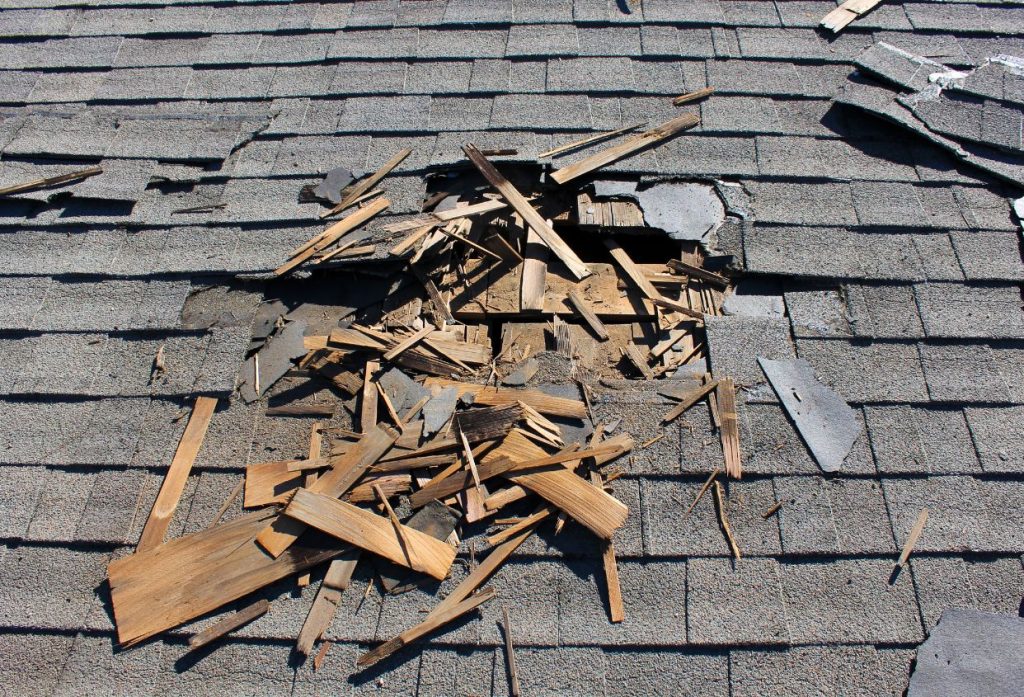
Was last night’s storm enough to have you looking up at your ceiling with some misgivings? You may be seeing spots that were not there yesterday and thinking of the cost of inaction should a minor issue be allowed to fester.
In our 20 plus years with Heyn Brothers Roofing we have put in our time with homeowners all over the Midwest, so we are well aware of how a good hard storm can make a roof that was fine start to leak. Severe weather has you on edge? Give us a ring. We are at (507) 519-6202 in Minnesota, (319) 984-1680 in Iowa and (605) 857-4770 in South Dakota, available around the clock.
You do not have to take our word for it that storms in this part of the country are no laughing matter. Hail, wind, driving rain and their share of heavy snow put our roofs through it from one year to the next. The problem is a roof will not always tell you when it is leaking. Water can insinuate itself into the home and do its damage before a single drip is seen. Hence the importance of being on the lookout.
Water Stains on Ceilings and Walls
A water stain is the surest indication of a leak, though not necessarily an overt one. Discoloration of a yellow, brown or copper hue is what to watch for. A ring type stain that puts in an appearance and expands is telling you something is coming from above. Make sure to give the walls a once over as well; water has a habit of running sideways on the beams before it makes it down.
What to Look For After a Storm
Put in a walk around the property and have a good look. Some of the more common warning signs include:
- Any dark spots or water stains
- Paint that is bubbling or peeling in the vicinity of the roofline
- An attic or upper room with a damp, musty odor
- Shingles in the driveway or yard
- Dents, cracks in shingles, torn flashing
- Granules in the downspouts or gutters
- Boards in the attic letting in daylight
When in doubt, have someone come out and see to it before the next storm comes along.
Make the Attic Your First Stop
More often than not the attic is where a leak will reveal itself. After a heavy rain, get a flashlight and go up. Wet insulation, trails of water on the wood or any mold and mildew are things to note. Dark streaks under the roof deck are a red flag, as is light where it ought not to be, a sign of a hole.
Hail and Wind Can Be Deceptive
Hail will bruise a shingle without making a hole of it. That bruising is what will cause a leak some weeks or months on. Then you have the wind to contend with, which can break the seal by curling or lifting shingles. Most of this is not visible from the ground and many a homeowner is none the wiser until the water is in the house.
Do Not Overlook the Flashing and Gutters
The metal flashing that seals off your chimneys, skylights and vents can be torn or loosened by a storm, opening the way for water. Clogged or dislodged gutters are another concern; they will allow water to back up under the shingles. After a big storm, check them over for anything missing or bent.
There is a case to be made for acting quickly
An early repair is much less of an expense than having to put in new drywall and framing later on. Lingering moisture is an invitation to mold and other health issues for the family. And water left to its own devices will only find more of your home.
We at Heyn Brothers Roofing are BBB A+ accredited and hold a 4.8 star rating from over 300 reviews. As a CertainTeed Select ShingleMaster certified company and a Top North American Roofing Contractor, we stand behind our work with a 5 year workmanship warranty in addition to what the manufacturer provides. Financing via GreenSky and free estimates are also on the table.
Should a storm have you concerned, do not let the damage get worse. Call us day or night in Minnesota at (507) 519-6202, Iowa at (319) 984-1680 or South Dakota at (605) 857-4770 and let us put your mind at ease with an inspection.